
Understanding the Levels of Drywall Finishing from Level 1 to Level 5

Drywall finishing is a crucial step in construction and renovation that affects the final look and durability of walls and ceilings. Whether you are a homeowner planning a remodel or a contractor aiming for the right finish, understanding the different levels of drywall finishing helps set expectations and ensures the desired quality. Drywall finishing is categorized into five levels, from Level 1 to Level 5, each with specific applications and standards.
This guide breaks down each level, explaining what it involves, where it is typically used, and how it impacts the appearance and performance of your walls.

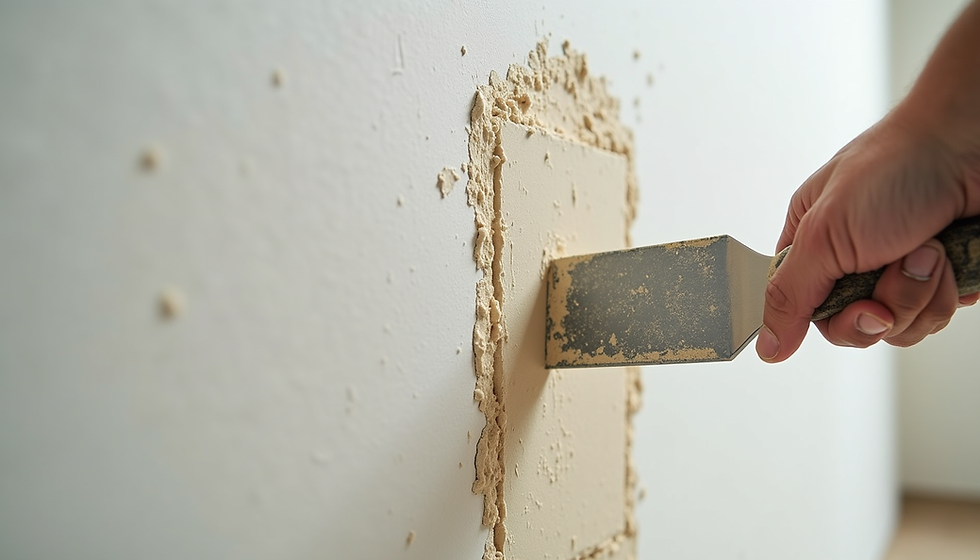
Close-up view of drywall seams showing the progression from rough to smooth finishes across different levels
What Is Drywall Finishing?
Drywall finishing refers to the process of applying joint compound (also called mud) and tape to drywall seams, corners, and fasteners to create a smooth, uniform surface. This process hides the joints and imperfections so that the wall can be painted or wallpapered.
The quality of drywall finishing depends on how many layers of compound are applied, how well they are sanded, and the level of surface preparation. The five levels of drywall finishing are defined by the Gypsum Association and are widely accepted standards in the construction industry.
Level 1 Drywall Finish
Level 1 is the most basic drywall finish. It involves applying joint compound to the drywall joints and embedding tape over the seams. No additional coats or sanding are done.
Where Level 1 Is Used
Temporary construction areas
Ceilings or walls that will be covered by other materials such as tile, paneling, or insulation
Areas not exposed to view
Characteristics of Level 1
Visible joints and fasteners
Rough texture with no sanding
Minimal effort and cost
Level 1 is rarely used in finished living spaces because it does not provide a smooth surface suitable for painting or wallpapering. It serves mainly as a base layer for further finishing.
Level 2 Drywall Finish
Level 2 adds a second coat of joint compound over the taped joints and fasteners. The surface is still not sanded to a smooth finish but is more uniform than Level 1.
Where Level 2 Is Used
Storage rooms
Garages
Utility areas
Areas where appearance is not critical but some improvement over Level 1 is needed
Characteristics of Level 2
Visible texture and minor imperfections remain
Some sanding may be done but not to a smooth finish
Better than Level 1 but still not suitable for painting or wallpapering in living spaces
Level 2 is a step up from Level 1 but still considered a rough finish. It is often used in commercial or industrial settings where walls are not a focal point.
Level 3 Drywall Finish
Level 3 involves applying a third coat of joint compound over the taped joints, fasteners, and corner beads. The surface is sanded to reduce roughness and imperfections.
Where Level 3 Is Used
Garages and storage areas where a better finish is desired
Areas to be painted with flat paints or where heavy textures will be applied
Some commercial spaces
Characteristics of Level 3
Visible but minimal joint lines and fastener marks
Surface is smoother than Level 2 but not perfectly smooth
Suitable for flat paints or textured finishes
Level 3 is often the minimum finish required for walls that will be painted with flat or matte paint. It provides a decent surface but may still show some imperfections under bright lighting.
Level 4 Drywall Finish
Level 4 is a high-quality finish with a fourth coat of joint compound applied and carefully sanded. This level produces a smooth surface suitable for most residential and commercial applications.
Where Level 4 Is Used
Residential walls and ceilings
Areas to be painted with light or medium gloss paints
Spaces where a smooth, uniform appearance is important
Characteristics of Level 4
Smooth surface with no visible joints or fasteners
Minor imperfections are removed through sanding
Ideal for most paint finishes and light textures
Level 4 is the most common drywall finish for homes and offices. It balances cost and appearance, providing a clean, professional look.
Level 5 Drywall Finish
Level 5 is the highest quality drywall finish. It includes all the steps of Level 4 plus an additional thin skim coat of joint compound applied over the entire surface. This final coat is sanded to perfection.
Where Level 5 Is Used
Areas with critical lighting conditions such as large windows or bright lights
High-end residential and commercial spaces
Walls to be painted with glossy or semi-gloss paints
Spaces where the smoothest possible surface is required
Characteristics of Level 5
Flawless, uniform surface with no visible imperfections
Best surface for reflective or glossy paint finishes
More labor-intensive and costly due to extra materials and sanding
Level 5 finishing is recommended when walls will be exposed to harsh lighting that can highlight imperfections. It is often used in showrooms, galleries, and luxury homes.
Comparing the Levels Side by Side
| Level | Number of Coats | Sanding | Surface Quality | Typical Use Cases |
|-------|-----------------|---------|-----------------|-------------------------------------|
| 1 | 1 | None | Rough | Temporary, concealed areas |
| 2 | 2 | Minimal | Slightly better | Storage, garages |
| 3 | 3 | Yes | Moderate | Painted flat finishes, some commercial |
| 4 | 4 | Yes | Smooth | Most residential and commercial |
| 5 | 5+ (skim coat) | Yes | Flawless | High-end finishes, glossy paints |
Practical Tips for Choosing the Right Level
Consider the final surface treatment. Glossy paints require Level 5 for the best look. Flat paints can work well with Level 3 or 4.
Think about lighting. Bright or direct lighting reveals imperfections, so higher levels are better.
Budget matters. Higher levels cost more due to labor and materials. Choose the level that fits your budget and quality needs.
Purpose of the space. Utility rooms can have lower levels, while living spaces benefit from smoother finishes.
Time constraints. Higher levels take longer to complete.
How Drywall Finishing Affects Your Project
The level of drywall finishing impacts not only the appearance but also the durability and maintenance of your walls. Poor finishing can lead to visible seams, cracks, and uneven paint coverage. On the other hand, a well-finished wall enhances the overall aesthetic and can increase property value.
Contractors and homeowners should communicate clearly about the desired finish level before starting work to avoid surprises and ensure satisfaction.


Comments