
The Best Time to Paint Your House Exterior in Minnesota and Why Timing Matters

Painting your house exterior is a major home improvement project that can boost curb appeal, protect your home, and increase its value. But in Minnesota, the timing of this task is crucial. The state’s unique climate means that choosing the right season and weather conditions can make the difference between a long-lasting paint job and one that peels or fades quickly.
This post explains why late spring, summer, and early fall are the best times to paint your house exterior in Minnesota. It also covers how humidity, rain, and temperature affect the painting process, helping you plan your project for the best results.

Why Timing Matters for Exterior Painting in Minnesota
Minnesota’s climate features cold winters, warm summers, and variable spring and fall weather. These conditions influence how paint adheres, dries, and cures on your home’s exterior surfaces.
Painting at the wrong time can lead to:
Paint peeling or cracking
Uneven color and finish
Longer drying times
Increased risk of mildew or mold growth
Choosing the right time ensures the paint bonds well and lasts for years, saving you money and effort in the long run.
Best Seasons to Paint Your House Exterior in Minnesota
Late Spring
Late spring, typically from mid-May to early June, offers warming temperatures and lower humidity compared to early spring. By this time, the risk of frost has passed, and days are longer, allowing paint to dry properly.
Advantages:
Temperatures usually range between 50°F and 75°F, ideal for most exterior paints.
Lower humidity than early spring reduces drying time.
Less chance of rain compared to early spring months.
Considerations:
Watch for late spring showers; plan painting around dry days.
Avoid painting during windy days to prevent dust and debris sticking to wet paint.
Summer
Summer is often the most popular time for exterior painting in Minnesota, especially June through August.
Advantages:
Warm temperatures (60°F to 85°F) help paint dry and cure quickly.
Long daylight hours give more time for painting and drying.
Generally lower humidity on many days.
Considerations:
Avoid painting during extreme heat (above 85°F) as paint can dry too fast, causing cracks.
High humidity days, common after thunderstorms, can slow drying and affect finish.
Plan for early morning or late afternoon painting to avoid the hottest parts of the day.
Early Fall
Early fall, from September to mid-October, is another excellent window for exterior painting.
Advantages:
Cooler temperatures (50°F to 70°F) are comfortable for painting.
Lower humidity than summer, especially later in the season.
Less insect activity compared to summer.
Considerations:
Watch for early frost or sudden temperature drops.
Shorter daylight hours mean less time for paint to dry before nightfall.
Avoid painting if rain is forecasted.

How Weather Conditions Affect Exterior Painting
Temperature
Paint manufacturers usually recommend applying exterior paint when temperatures are between 50°F and 85°F. Temperatures below 50°F can prevent paint from curing properly, leading to poor adhesion and peeling. Above 85°F, paint can dry too quickly, causing cracks and uneven texture.
In Minnesota, temperature swings can be sudden, especially in spring and fall. Always check the forecast and avoid painting if temperatures are expected to fall outside the ideal range within 24 hours.
Humidity
High humidity slows down the drying process because moisture in the air prevents water or solvents in the paint from evaporating quickly. This can cause paint to remain tacky for longer, increasing the risk of dirt sticking to the surface or paint sagging.
Minnesota summers can have humid days, especially after rain or thunderstorms. Aim to paint on days when humidity is below 70% for best results.
Rain and Moisture
Painting on or just before rainy days is a common mistake. Moisture can wash away fresh paint or cause bubbling and blistering. Surfaces must be dry before painting, and the forecast should predict at least 24 to 48 hours of dry weather after painting.
Minnesota’s spring and fall can be unpredictable with rain showers. Use a reliable weather app and plan your painting schedule around dry spells.
Preparing Your House Exterior for Painting in Minnesota
Proper preparation is as important as timing. Here are key steps to get your house ready:
Clean the surface: Remove dirt, mildew, and old peeling paint using a pressure washer or scrub brush.
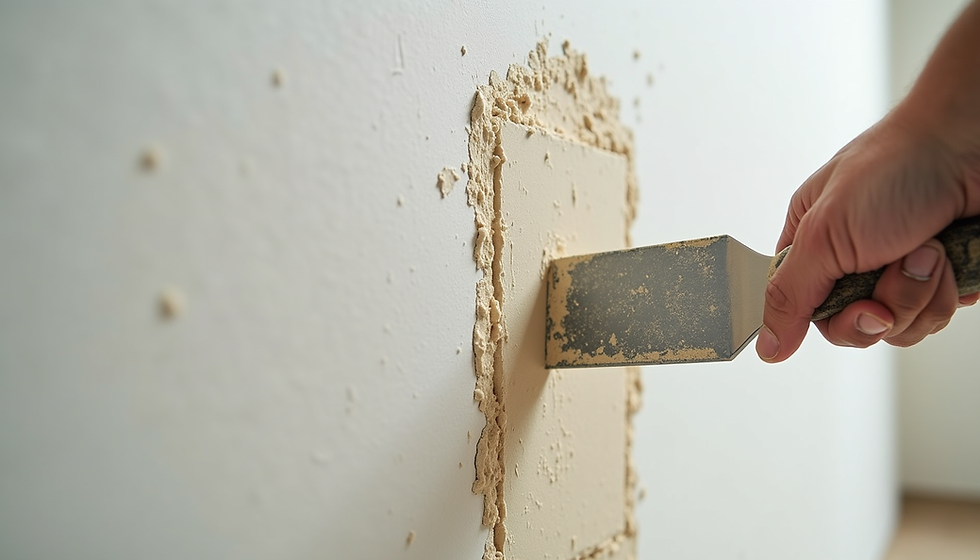
Repair damage: Fill cracks, replace rotten wood, and sand rough areas.
Prime: Apply primer if you are painting over bare wood, metal, or a darker color.
Choose the right paint: Use high-quality exterior paint designed for Minnesota’s climate, preferably acrylic latex paint for durability and flexibility.
Tips for Successful Exterior Painting in Minnesota
Check the weather forecast daily: Plan painting on consecutive dry days with stable temperatures.
Avoid painting in direct sunlight: Paint can dry too fast and cause brush marks or uneven finish.
Use proper tools: Quality brushes and rollers help achieve a smooth finish.
Work in sections: This helps manage drying times and ensures even coverage.
Consider professional help: Experienced painters understand local weather patterns and can schedule accordingly.
Summary
The best time to paint your house exterior in Minnesota is during late spring, summer, and early fall when temperatures are moderate, humidity is lower, and rain is less frequent. These conditions help paint dry and cure properly, ensuring a durable and attractive finish.


Comments