
The Ultimate Homeowner Prep Guide for Exterior Painting in the Twin Cities

Painting your home’s exterior is a major project that can transform its look and protect it from the elements. In the Twin Cities, where weather swings from cold winters to hot summers, preparing your home properly before painting is key to a long-lasting finish. This guide walks you through what every homeowner should know before scheduling exterior painting in the Twin Cities. From checking siding condition to timing your project, these steps will help you get the best results.

Check the Condition of Your Siding
Start by inspecting your siding carefully. The type of siding you have—wood, vinyl, fiber cement, or brick—affects how you prepare and paint it. Look for:
Peeling or flaking paint: This is a sign that the old paint is failing and needs to be scraped off.
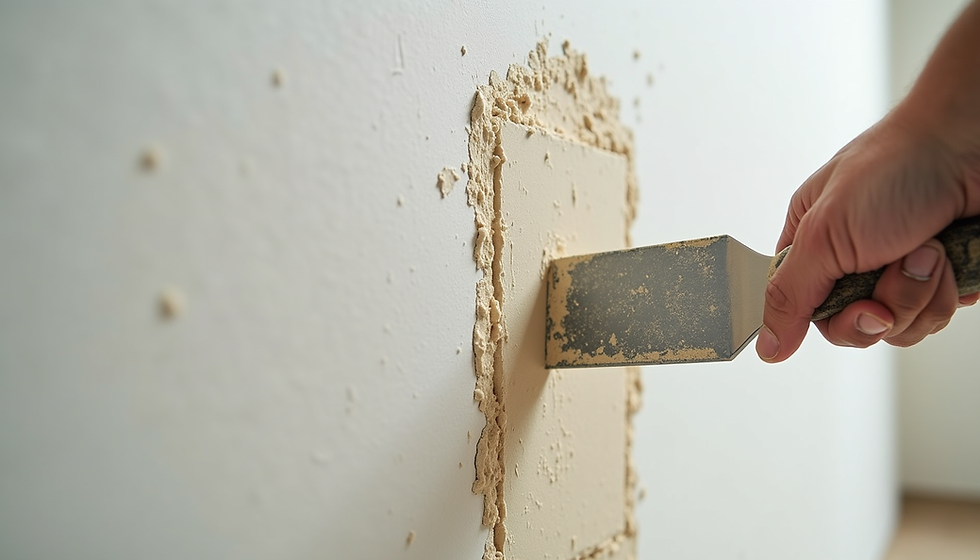
Cracks or holes: These need to be filled or repaired before painting.
Rot or water damage: Especially common in wood siding, damaged areas should be replaced to avoid future problems.
Mold or mildew: Clean these areas with a solution of water and mild detergent or a specialized cleaner.
If your siding is in poor shape, painting won’t last long. Fixing these issues first will save you time and money in the long run.
Remove Peeling Paint and Prepare Surfaces
Peeling paint can cause new paint to lift and fail quickly. Use a scraper or wire brush to remove loose paint. For large areas, power washing can help clean and prep the surface, but be careful not to damage the siding.
After scraping, sand rough edges to smooth the surface. This step helps the new paint adhere better. Clean the siding thoroughly to remove dust, dirt, and grease. Let the surface dry completely before moving on.
Inspect and Replace Caulking
Caulking seals gaps around windows, doors, trim, and siding joints. Old or cracked caulk lets moisture in, which can cause paint to peel and wood to rot.
Check all caulk lines and remove any that are cracked or missing. Use a high-quality exterior caulk to reseal these areas. This step improves your home's energy efficiency and protects it from water damage.
Prepare Trim and Other Details
Trim, fascia, and soffits often need special attention. These areas are more exposed to weather and may require sanding, priming, or even replacement if damaged.
Remove loose paint and sand rough spots.
Apply primer to bare wood or repaired areas.
Choose paint designed for trim, which is usually more durable and glossy.
Paying attention to these details makes a big difference in the overall appearance and durability of your paint job.

Understand Weather Windows in the Twin Cities
The Twin Cities have a relatively short painting season due to weather conditions. Ideal painting happens when temperatures stay between 50°F and 85°F, and humidity is low. This usually means late spring through early fall.
Avoid painting:
On rainy or very humid days
When temperatures drop below 50°F or rise above 85°F
When strong winds or dust storms are expected
Check the weather forecast for a dry stretch of several days. This allows paint to dry and cure properly, preventing peeling and blistering.
Schedule Your Exterior Painting Wisely
Timing your project well can save headaches and improve results. Here are some tips:
Book early: Painting contractors get busy in summer. Scheduling in late spring or early summer helps you avoid delays.
Plan for prep time: Surface preparation can take several days depending on the home's size and condition.
Allow for multiple coats: Good exterior paint jobs usually require at least two coats.
Consider your lifestyle: Painting can be noisy and messy. Plan around vacations or outdoor activities.
If you’re doing the work yourself, make sure you have all materials and tools ready before starting.

Final Tips for a Successful Exterior Painting Project
Use quality paint designed for your siding type and local climate.
Follow manufacturer instructions for mixing and application.
Protect plants, walkways, and outdoor furniture with drop cloths.
Wear safety gear like goggles and masks when sanding or scraping.
Inspect your work regularly during the project to catch issues early.
Taking these steps ensures your exterior painting project in the Twin Cities looks great and lasts for years.


Comments