
Cabinet Refinishing vs Replacement in Twin Cities: Cost, Timeline, and Quality Insights

When your kitchen cabinets look worn or outdated, deciding between refinishing and replacing them can be tough. Both options offer ways to refresh your kitchen, but they differ in cost, time, disruption, and finish quality. For homeowners in the Twin Cities, understanding these differences helps make the best choice for your home and budget.
Cost Comparison
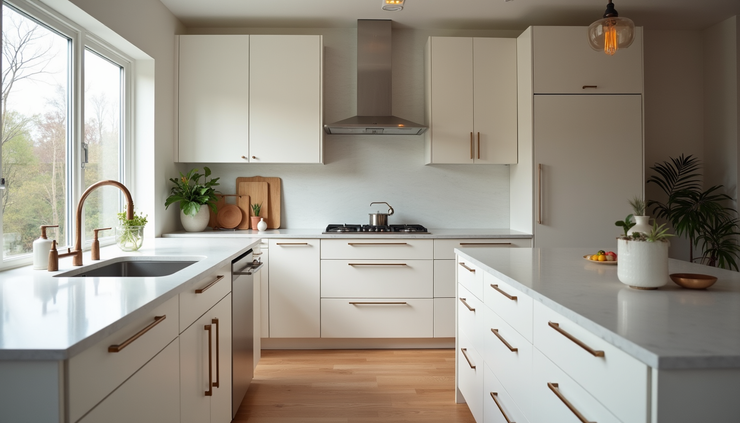
One of the biggest factors in choosing between cabinet refinishing and replacement is cost. Refinishing cabinets typically costs 40% to 60% less than a full replacement. This is because refinishing involves sanding, repairing minor damage, and applying new paint or stain to existing cabinet surfaces.
In the Twin Cities, cabinet refinishing usually runs between $1,200 and $4,000 depending on kitchen size and cabinet condition. Replacement costs vary widely but often start around $5,000 and can exceed $15,000 for custom cabinetry.
Refinishing saves money by reusing the existing cabinet boxes and hardware, while replacement requires new materials and installation labor. If your cabinets are structurally sound, refinishing offers a budget-friendly way to update your kitchen’s look.
Timeline and Disruption
Refinishing cabinets generally takes about 7 working days from start to finish. The process includes cleaning, sanding, priming, painting or staining, and applying a protective finish. Because the cabinets remain in place, the kitchen can still be used with some adjustments.
Replacing cabinets takes longer, often 2 to 3 weeks or more. The old cabinets must be removed, new ones delivered and installed, and finishing touches completed. This process usually requires a kitchen shutdown, which can disrupt daily routines.
For Twin Cities homeowners who want a quicker update with less hassle, refinishing offers a faster turnaround and less disruption.

Finish Quality and Durability
Refinishing can produce a beautiful, smooth finish that looks like new when done by professionals. Modern refinishing techniques use durable paints and stains that resist chipping and fading. However, refinishing cannot fix major cabinet damage or structural issues.
Replacement cabinets offer the chance to choose new materials, styles, and hardware. This means you can upgrade to higher-quality wood or custom designs that better fit your kitchen’s style. New cabinets also come with warranties and longer-lasting durability.
If your cabinets have deep scratches, water damage, or warped doors, replacement may be the better option. For cabinets that are solid but just outdated, refinishing delivers a fresh look with a high-quality finish.
When Refinishing Makes Sense
Refinishing is a smart choice when:
Cabinets are in good structural condition
You want to update the color or finish without changing layout
Budget is limited but you want a noticeable improvement
You prefer a shorter project timeline
You want to reduce waste by reusing existing materials
For example, a Twin Cities homeowner with oak cabinets that look dated but are sturdy can refinish them with a modern gray stain or white paint. This transforms the kitchen without the cost and mess of full replacement.
When Replacement Is Better
Replacement fits situations where:
Cabinets have severe damage or rot
You want to change cabinet style or layout
You need more storage or modern features like soft-close drawers
You plan a full kitchen remodel
If your cabinets are falling apart or you want a completely new kitchen design, replacement offers the flexibility and long-term value you need.


Comments